
In the fast-evolving world of app development, low-code platforms have emerged as game-changers, democratizing the process and enabling developers and non-developers alike to create sophisticated applications with minimal coding. Among these platforms, Flutter Flow has carved out a significant niche, offering a potent blend of ease-of-use, versatility, and powerful features. This article delves into what Flutter Flow is, its key features, benefits, and how it is transforming the app development landscape.
What is Flutter Flow?
Flutter Flow is a low-code platform built on Google’s Flutter framework, which allows users to create mobile and web applications with a visual interface. By leveraging Flutter’s robust ecosystem, Flutter Flow provides an environment where users can drag and drop elements, configure properties, and define behaviors without extensive coding knowledge. This approach significantly reduces the development time and lowers the barrier to entry for app creation.
Key Features of Flutter Flow
Visual Interface
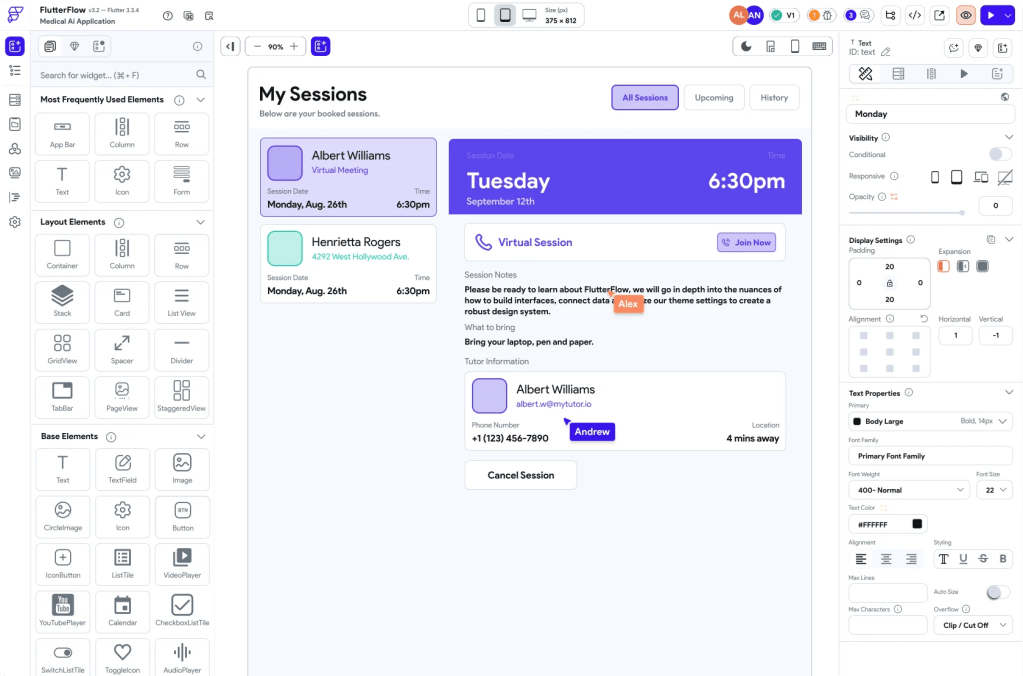
The most striking feature of Flutter Flow is its intuitive visual interface. Users can design app interfaces by dragging and dropping components onto a canvas. This WYSIWYG (What You See Is What You Get) approach allows for real-time previews, making the design process both efficient and user-friendly.
Custom Code Integration
While Flutter Flow emphasizes low-code development, it does not entirely eliminate the need for coding. For more complex functionalities, developers can integrate custom code within the visual framework. This hybrid approach allows for flexibility and scalability in app development.
Pre-built Templates and Components
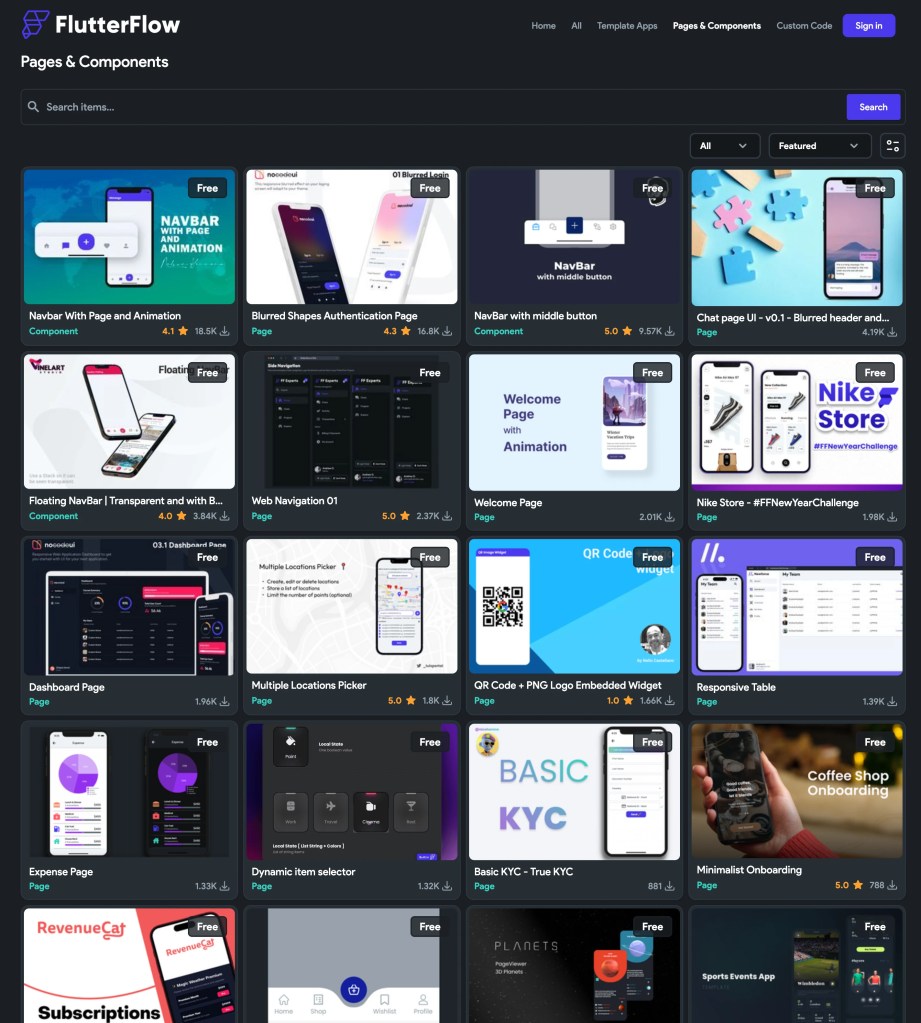
Flutter Flow offers a variety of pre-built templates and components that users can leverage to kickstart their projects. These templates cover a wide range of use cases, from e-commerce to social media apps, providing a solid foundation that can be customized to meet specific requirements.
Collaboration Tools
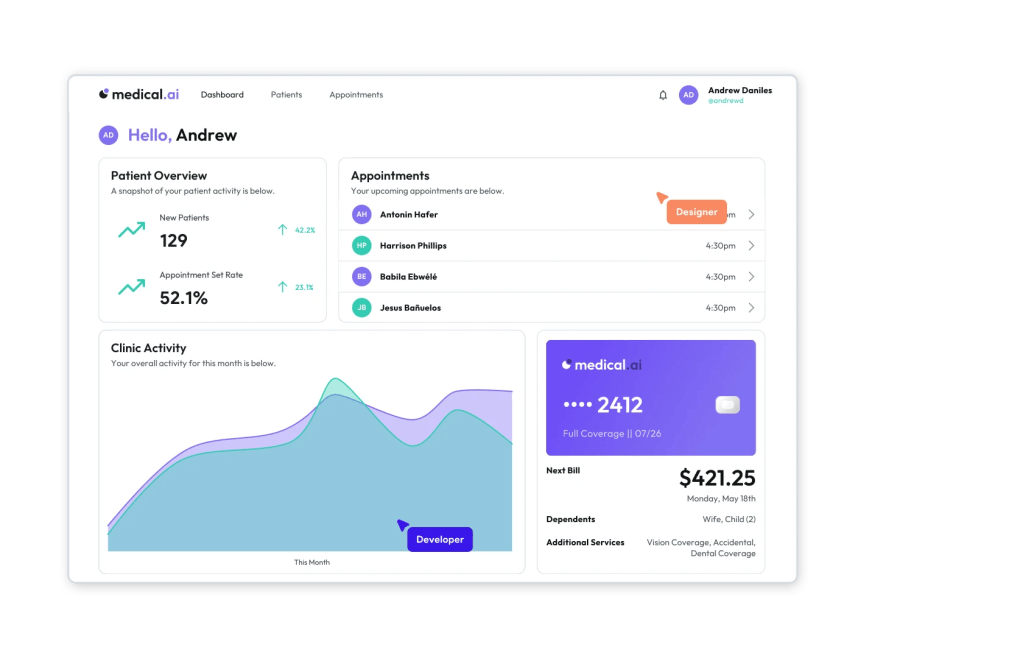
To support team-based development, Flutter Flow includes collaboration tools that allow multiple users to work on the same project simultaneously. This feature is particularly useful for larger teams and remote work scenarios.
Backend Integration
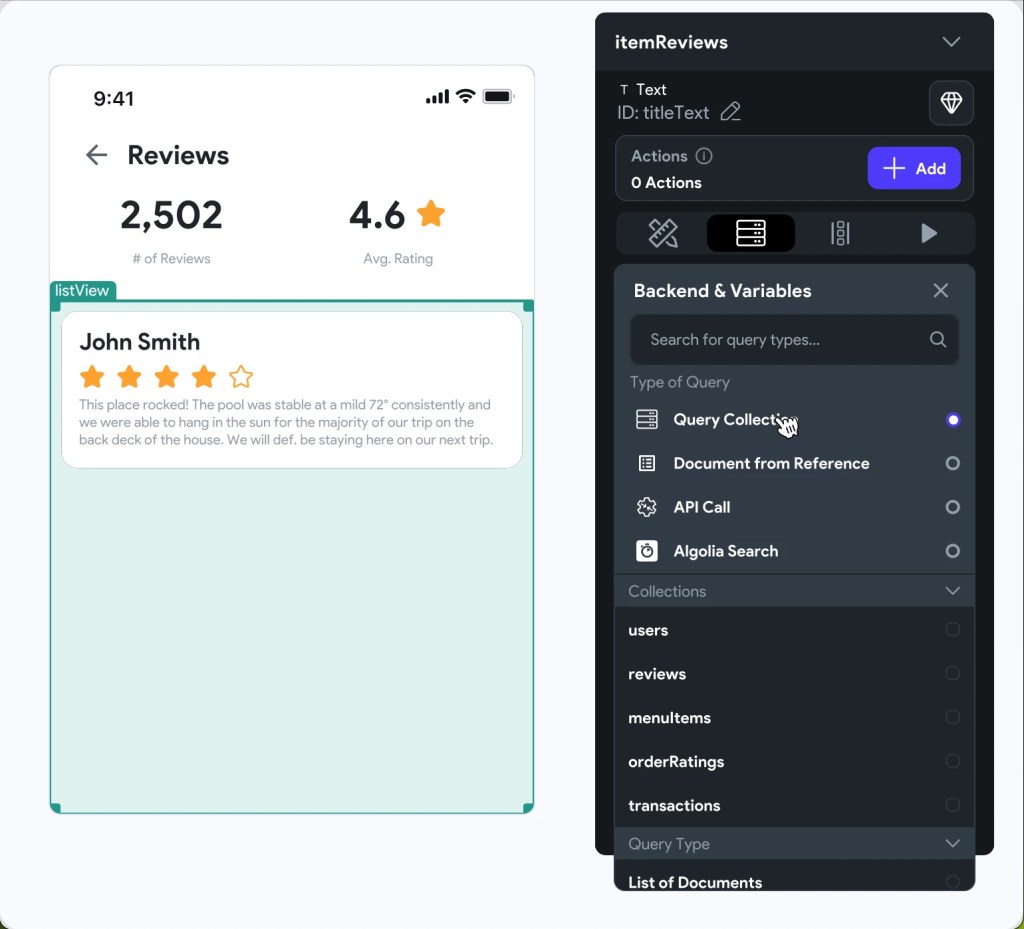
Flutter Flow supports seamless integration with various backend services, including Firebase, REST APIs, and custom backends. This enables developers to build full-stack applications with robust backend functionalities such as authentication, database management, and cloud functions.
Conclusion
Flutter Flow is at the forefront of the low-code revolution, offering a powerful yet accessible platform for app development. Its combination of visual design tools, robust backend integration, and the flexibility to incorporate custom code makes it a versatile solution for a wide range of projects. As the demand for quick and cost-effective app development continues to rise, Flutter Flow is poised to play a significant role in shaping the future of the industry. Whether you are a seasoned developer or a non-technical entrepreneur, Flutter Flow provides the tools you need to bring your app ideas to life efficiently and effectively.